Seniors Matter(s): Mnemonics
I love mnemonics. These are techniques that help you retain and remember information
.
Let’s review a few, thanks to an article from web MD.
FAST for stroke symptoms
The acronym FAST is an indicator of a possible stroke:
- Face drooping (ask the person to smile to check)
- Arm weakness (to test, have the person raise both arms)
- Speech difficulty (test by having the person repeat a simple sentence)
- Time to call 911
Call 911 if someone shows sudden symptoms, such as:
- Confusion
- Numbness
- Trouble seeing
- Trouble walking
- A very bad headache
Even if the symptoms pass, you should still go to the hospital.
CAB for CPR (Cardiopulmonary resuscitation)
Use CAB to remember the order of CPR steps:
- Chest compressions
- Airway
- Breathing
Give 100-120 compressions per minute over the middle of the person’s chest to help blood pump to the brain.
After 30 chest compressions, tilt the head back and lift the chin. This helps open the airway.
If you’re trained in CPR, make a seal over the person’s mouth, and pinch his nose shut before giving him two rescue breaths.
ABC for bleeding
It’s critical to know how to stop serious bleeding if you or another person is injured. In that situation, remember the ABC of first aid for bleeding:
- Alert: Notify help or have someone do it for you, if possible.
- Bleeding: Find the location of the bleeding wound.
- Compress: Apply pressure to stop the flow of blood using a tourniquet. If you don’t have one, place bandages or a clean cloth on the wound and push directly on the wound with your hands
Use RICE after an injury
Remember RICE if you get hurt, such as a knee or ankle sprain. It stands for:
- Rest and protect the injured area.
- Ice the area as soon as possible to help stop or lessen swelling and pain.
- Compression. Wrap the area with an elastic bandage to help lessen swelling. But don’t wrap it too tightly. That can make things worse.
- Elevate the area at or above heart level with pillows when you lie or sit down. That will help the swelling go down.
PASS for using a fire extinguisher
The mnemonic device PASS can help you remember how to use a fire extinguisher correctly. Here’s what PASS stands for:
- Pull the fire extinguisher pin.
- Aim the nozzle of the fire extinguisher at the base of the fire.
- Squeeze or press the fire extinguisher handle.
- Sweep from side to side until the fire is put out.
Save someone from drowning with ‘Reach, Throw, Don’t Go’
When someone is drowning, you should never jump in to rescue him. Instead, remember “Reach, Throw, Don’t Go”:
- Reach for the person as you lie on your stomach, so you’re not pulled into the water. If you can, try to use a long item that the person can grab.
- Throw an item that floats.
- Don’t go. Don’t jump into the water. Even if you think you can save yourself and the person, don’t jump in unless you have a float.
Avoid Poison Ivy with ‘Leaves of Three, Let It Be ‘
Poison Ivy is a plant that has an oil that can irritate your skin. If you touch it or breathe smoke from the burning plant, you might have:
- Blisters
- Itching
- Redness
- Swelling
- Trouble breathing
You can recognize Poison Ivy from its three leaflets. Think of “Leaves of three, let It be.”
Another plant called Virginia Creeper looks like Poison Ivy but has five leaflets. You can remember that with, “Leaves of five, let it thrive.”
Remember STOP if you’re lost
If you’re lost, don’t panic. Remember the acronym STOP, which stands for:
- Stop and recognize that you’re lost and could be in trouble.
- Think clearly. Stay calm.
- Observe. Look around for food, water, fuel, and shelter. Also, look for landmarks that could help you later on.
- Plan. Look over what supplies you have and plan how to use them. Prepare for weather, night-time, safety, and how to signal for a rescuer.
‘Stop, Drop and Roll’ if you’re on fire
If your clothes catch fire, remember “Stop, Drop, Roll.” That means:
- Stop right where you are.
- Drop to the ground. Cover your mouth and eyes with your hands to protect them.
- Roll over back and forth until the movement puts the flames out.
BRAT for upset stomach
One mnemonic you may know, isn’t used anymore. BRAT stands for the diet that some doctors used to suggest for an upset tummy, especially for kids:
- Bananas
- Rice cereal
- Applesauce
- Toast or Tea.
These foods, alone, don’t have enough nutrients to help you get better. If you have an upset stomach, or your child does, eat what you normally do but stay away from spicy, fatty, or sugary foods. An over-the-counter electrolyte drink will help put back lost fluids.
‘Till next time!
CFN (Ciao For Now!)
 Written By
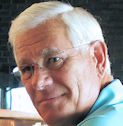
Bill Pike is a retired elementary school principal. He and his wife, Sharon, have lived in Kincardine for 47 years, enjoying fulfilling careers, rural life, three wonderful children, and four outstanding grandchildren. Golf in the summer (poorly), pickleball, guitar-playing, long leisurely walks, the sunny south and family all fill his time. This project is as an effort by him to share his interest about the topics affecting seniors and how they can advocate for their issues. The statement, “Getting old isn’t for the faint of heart,” is real! The rewards of retirement can sometimes be accompanied by aches, pains, medical concerns, and general wellness issues. In this column, Pike takes a look at the good, the bad, and the ugly of senior living. Don’t laugh at age, pray to make it!





Related Stories
No related stories.