



 September 7, 2026
422
September 7, 2026
422
In my very first column, I related how I became interested in native-plant gardening in 2020 during the first year of the COVID-19 pandemic. Adjustment to isolation was particularly hard the first year and I turned to on-line webinars to satisfy my need for learning and entertainment.
One cultural effect of restricted movement and social isolation was increased interest in sustainable living practices. And since walking outside was considered safe, more people spent time in nature and gained awareness of the need to protect the environment.
Pre-pandemic, I already considered myself a nature-lover so I was shocked to learn my property wasn’t a particularly welcoming space for wildlife. The more I learned, the more I began to appreciate the benefits of gardening with native plants. I divide the benefits into three broad categories: ecological, cost and health.
In ecological terms, native plants are ones that naturally occur in the landscape and have not been introduced by humans. They have evolved with other species of plants, animals, fungi and bacteria within that eco-system. These relationships are important because everything in nature is connected.
Plants interact with insects and birds, attracting them with the promise of food and receiving the service of pollination in return.
Insects use the nectar and pollen to feed themselves and their developing young, or lay eggs on the plants which become a host for larvae.
Birds feed the insects to their young and use plants as shelter and food. Other animals also feed on insects and plants. This is how the energy of the sun is transferred up the food chain.
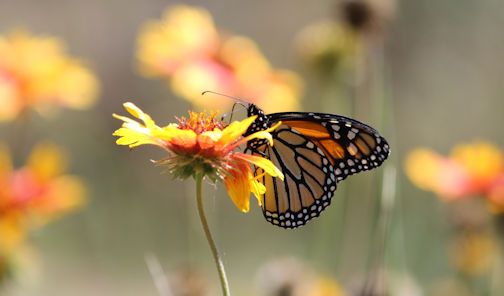
Certain plants and insects have developed exclusive relationships, such as the Monarch caterpillar and milkweed. When a native plant goes missing through habitat loss, pollution, climate change, herbicide use or is deemed undesirable by gardeners, other species suffer.
Having a greater variety of native plants boosts bio-diversity and makes the environment more resilient. Many plants have overlapping functions and different tolerances for stress; if one species declines, others may compensate and fill the gap.
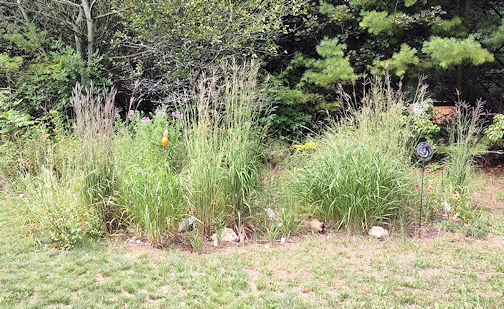
A specialized garden features several different species of native grasses and sedges, all very drought-tolerant
One barrier to gardening with native plants is expense. Some plants require specialized germination conditions, such as cold stratification and, unlike fast-growing annuals, may take several years to develop before being large enough to sell. There are restrictions on how seeds and plants are ethically collected and there is lower pubic demand, preventing nurseries from taking advantage of cost efficiencies of large-volume operations. Nevertheless, there are many savings to enjoy with native plants.
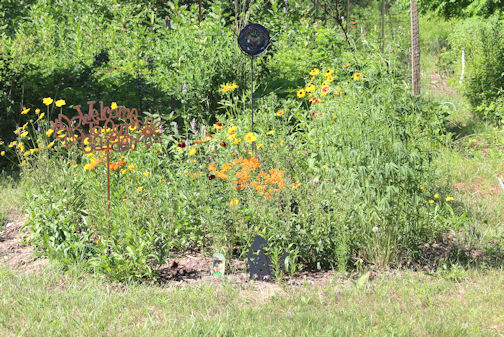
Over a dozen different species of native plants thrive in this garden planted in sand with no soil amendment
My property is close to the lakeshore and is very sandy and dry. This has not prevented us from creating thriving, colourful flower beds. Although our gardens are quite extensive, maintenance is minimal because we’ve chosen plants that are adapted to local conditions and we espouse sustainable practices, such as leaving the leaves. First and foremost, in our home gardens and in the public pollinator gardens we maintain, we choose hardy species.
Many native plants are drought-tolerant. Some adjust to dry conditions by growing taproots that reach deep underground. Others have dense fibrous root masses that absorb rainfall. Although all plants require watering when first transplanted, once established, they require little care which saves time, effort and water.
 Another maintenance-saving comes from adopting a more relaxed attitude to tidiness and allowing nature to do its thing. By avoiding excessive trimming and mulching, gardens can become habitats for many creatures.
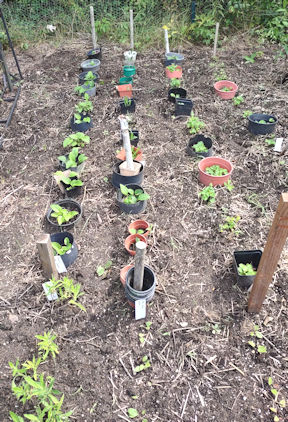
Slow growth contributes to the expense of native plants; first-year plants grown from seeds harvested from our gardens will over-winter and hopefully, be mature enough to distribute next spring
Being adapted to local climatic conditions and soil types, means more resilience to harsh weather and pests and less need for water and fertilizers. Gardeners can save seeds and easily start their own plants via winter-sowing or dividing mature plants. Although there can be higher initial costs for native plants, in the long run, there are savings for both the gardener and the environment.
The pandemic also gave rise to a renewed focus on self-sufficiency (recall the sour dough bread craze) and vegetable gardening found new devotees. Gardening of any type has positive effects on our mental and physical health as the actions of planting, weeding, and harvesting provide regular, healthy outdoor movement. More health benefits will be addressed in a future column.
My native plant journey began in 2020 during the COVID-19 lockdown. I realized I needed to change my gardening beliefs and practices for the benefit of the environment. What I didn’t appreciate at the time, was that this act of stewardship would also benefit my personal health and save money.
Written ByChristine Roberts is a retired elementary school teacher, past-president of Huron Bruce Nature, executive member of the Ripley and District Horticultural Society, volunteer for the David Suzuki Foundation, VON volunteer fitness leader and a passionate lover of nature.
Related Stories
No related stories.