Kincardine unit participates in Guides on the Air in Tiverton
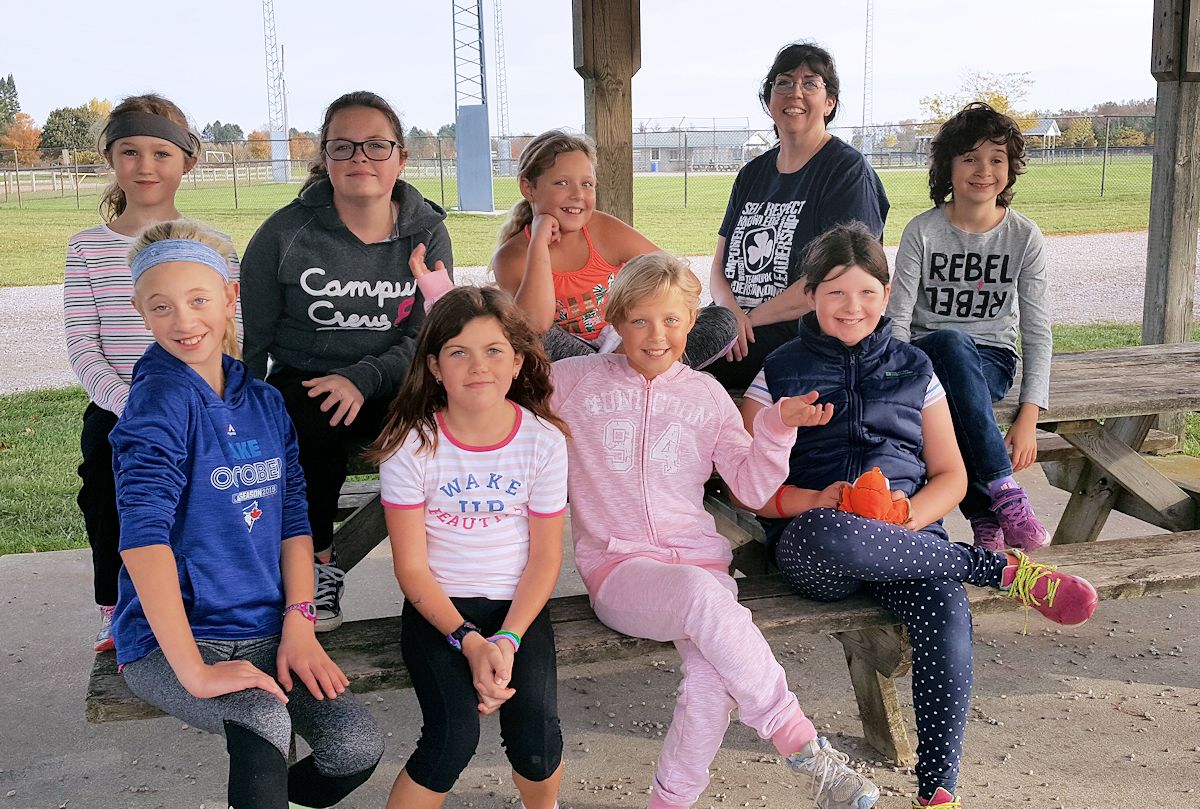
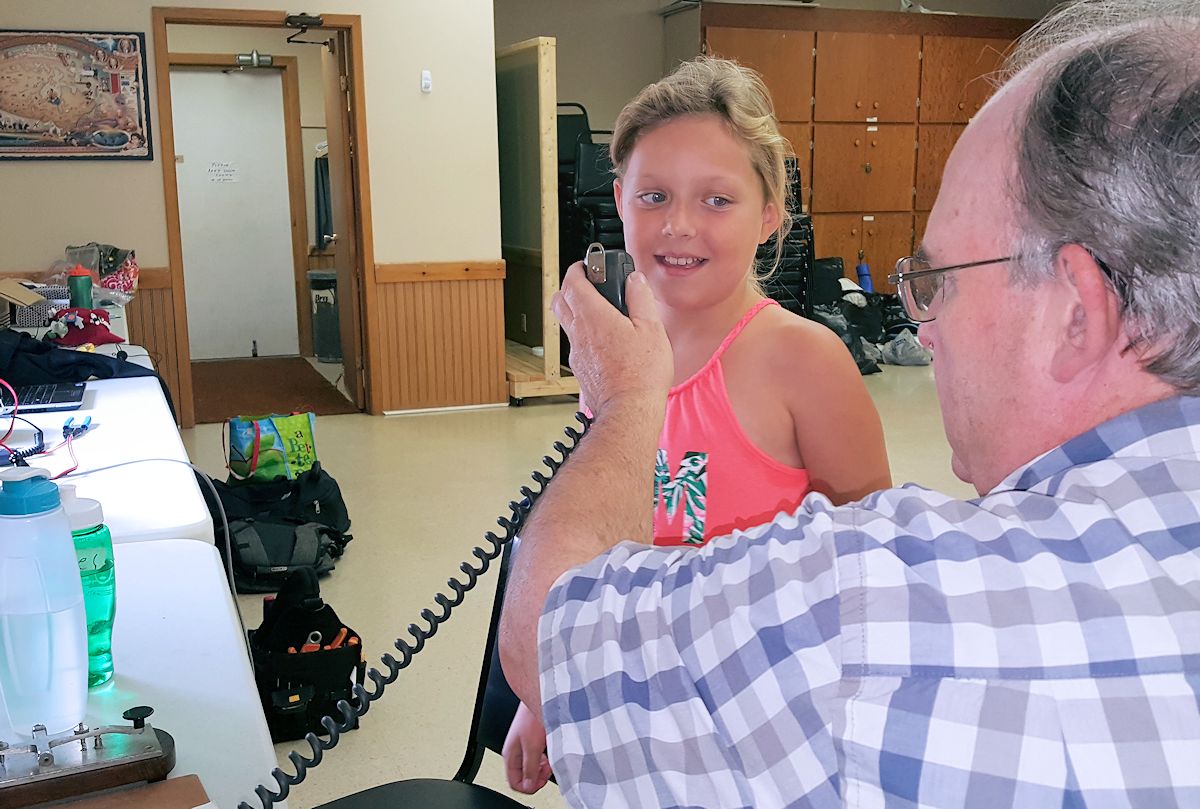
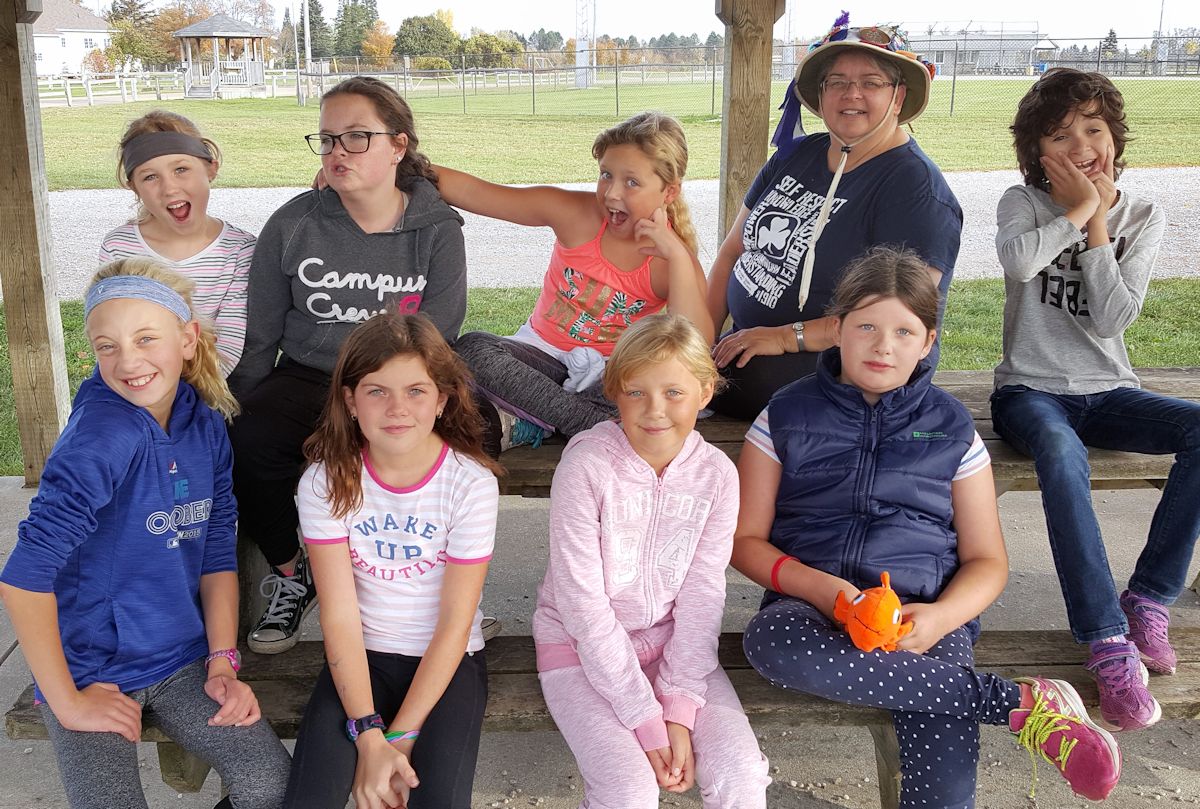
A dozen Kincardine Guides and their leaders had an opportunity to learn about amateur radios and speak over them, during the Guides on the Air event in Tiverton, Saturday, Oct. 21.
The unit held a sleepover, gathering at the Tiverton Lions Hall Friday night, and then doing a number of activities about ham radios, Saturday.
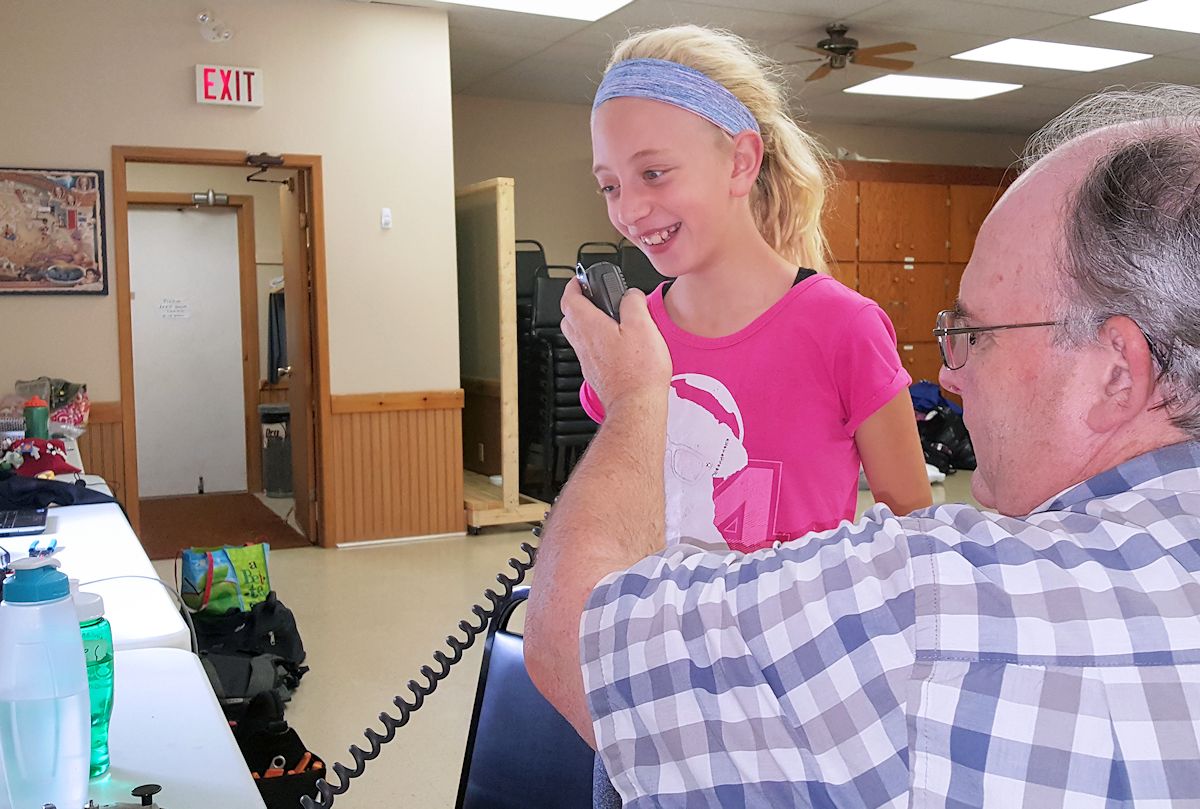
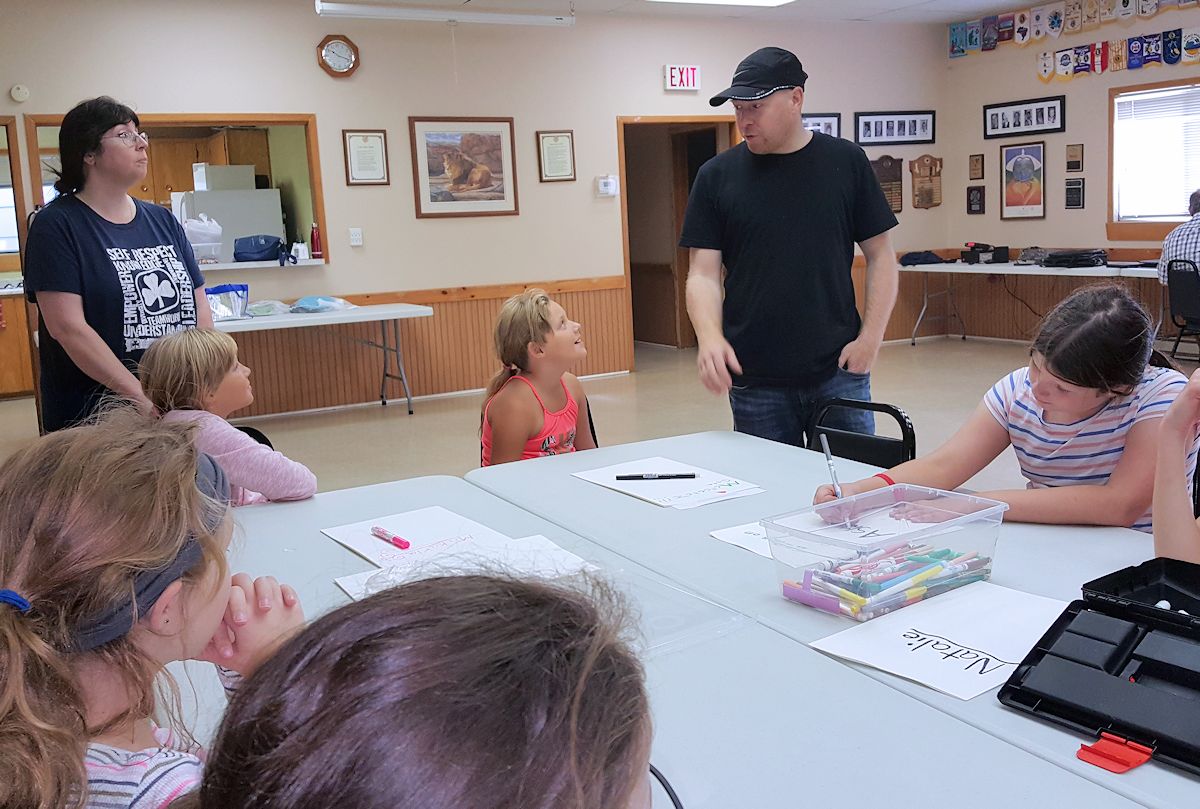
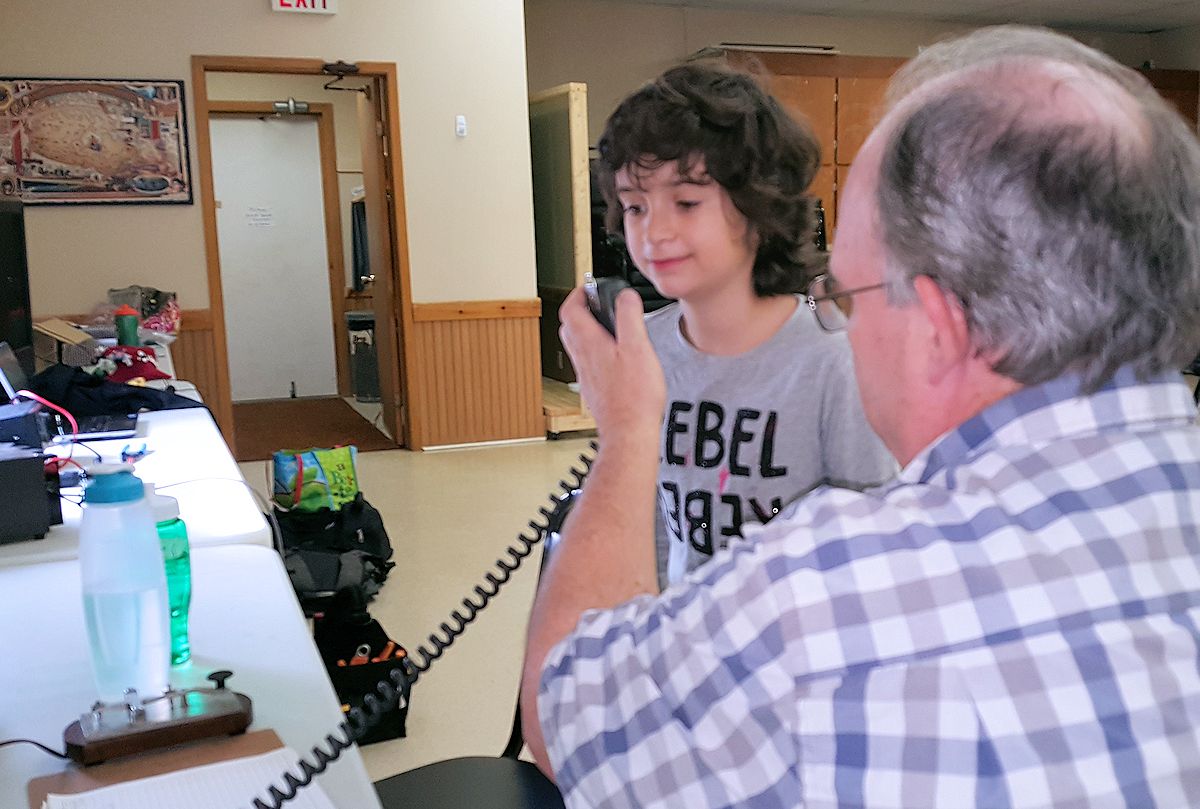
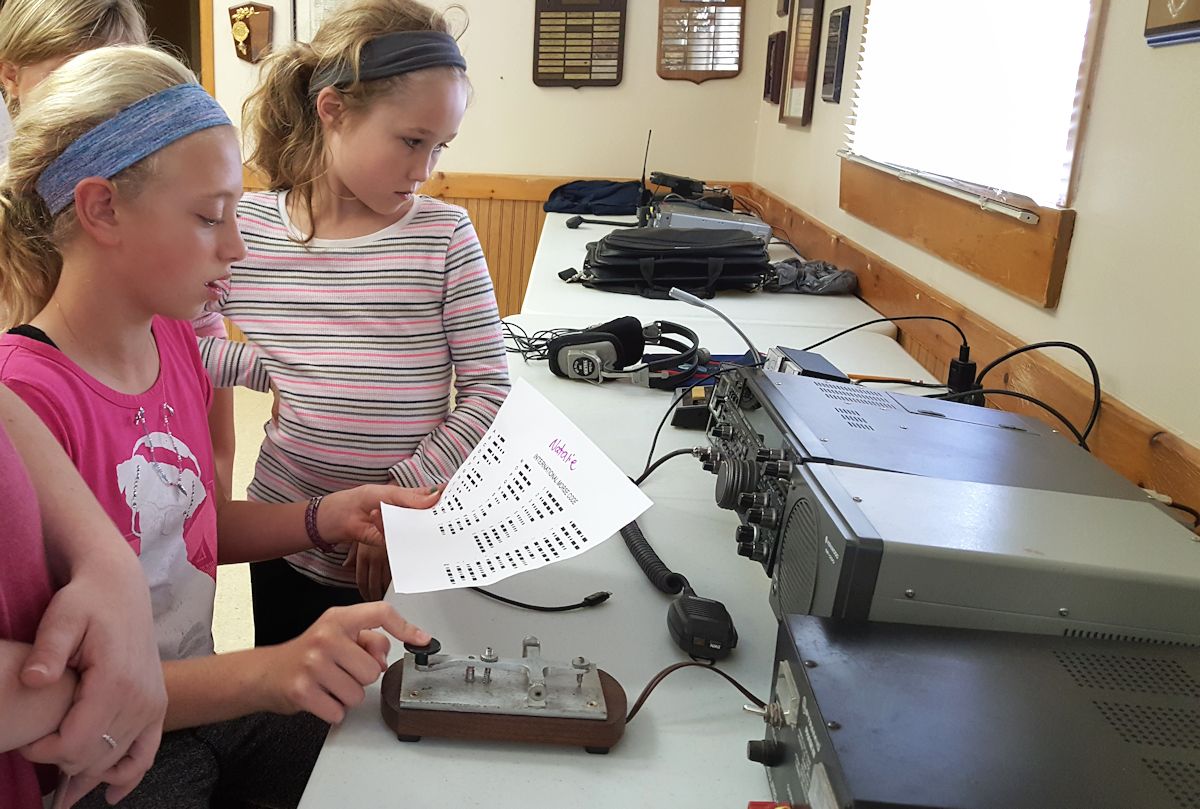
Licensed ham radio operators Rob Noakes of Inverhuron and Carson Morton of Owen Sound were on hand to offer some history about amateur radios, and allow the girls to speak over the radio to Guides and Scouts around the world during what is officially called "Jamboree on the Air."
Morton told the Guides that amateur radios work when the hydro is out and ham operators can help out in the case of an emergency.
"We talk to each other over the radio waves," he said. "We use Morse code, and now we can use digital mode on computers."
An enthusiastic ham radio operator, Morton has been part of the local radio club for three years. This is his fourth year, taking part in the Jamboree on the Air.
The girls then attempted to talk over the microphone to Guides and Scouts on the Air. They reached several across Canada and in the United States, and were talking to Scouts in Ottawa, and the Boy Scouts of America in Sydney, New York.
Morton explained how the sun spots can affect radio signals, so the operator must increase the signal to hear better.
He said the word "ham" was used as a slang term by professional radio operators when referring to amateur operators, and the name stuck.
Often, ham operators can contact someone 2,000 kilometres away, better than someone 20 kilometres away, depending on the antenna being used at the time, said Morton. "Most of us do this for fun because we enjoy it. Plus, we can help out emergency services if they need us."
Noakes said he has contacted people from Japan, Easter Island, the Falkland Islands, Spain, Italy, Portugal, Australia, New Zealand and Quebec.
"There are thousands of operators in Ontario," he said, "and about 30 in the Kincardine area."
Outside, Noakes showed the girls the different antennae set up to capture radio signals, including a di-pole, a Yagi antenna for line-of-sight, and regular vertical antenna. He said during the gray-line - when night is turning to day and vice versa - there is the highest propagation and that is good for reaching great distances with a ham radio. He once was able to contact the South Pole during this time.
The girls thanked Noakes and Morton for helping them learn about ham radios.
 Written By
Liz Dadson is the founder and editor of the Kincardine Record and has been in the news business since 1986.




Related Stories
No related stories.