Animal Crackers learn what chocolate, pain killers and bug spray have in common
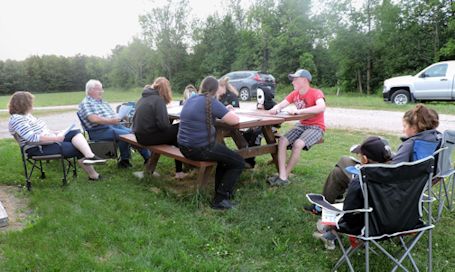
The third meeting of the Ripley 4-H Animal Crackers (vet club) was held at Dr. Ken Bridge’s home, July 23.
The topic was toxicology. The Roll Call asked club members if they have ever had an animal become poisoned, and what procedures they have on their farm to prevent and treat poisonings.
After Roll Call, the members revisited what they had learned about bio-security because they will be touring a farm as part of their next meeting.
Next, members Molly, Lilly, Katrina, Sarah, and Cora read the hand-out on toxicology.
Bridge told the club that there are things most people don’t think are poisonous to pets, but are, in fact, extremely poisonous. The top 10 poisonous things to pets are:
- Pain killers
- Prescription drugs
- Chocolate
- Sugar-free gum
- Avocados
- Flea and lice removers
- Rat poison
- Bug spray
- Pants, such as tulips and daffodils
- Lawn and garden products, such as fertilizer and pesticides
Next, the club moved inside to watch videos on different wild plants that are poisonous or harmful.
One of these is Giant Hogweed because it is becoming a huge issue. The plant looks like cow parsnip or Queen Anne’s lace but it is much taller and the stalk is thicker. Giant Hogweed spreads very rapidly and it takes six years of proper glysophosate treatment in the spring to kill the plants. The reason Giant Hogweed is so dangerous is because there are things in the sap called furanocoumarins (fyÅ«r-a-nÅ-kÅ«-mah'rinz) that cause severe burns when exposed to ultraviolet rays.
The club also watched videos on water hemlock which has a similar look, but water hemlock is not as tall or as thick as Giant Hogweed. Basically, if the plant has a head made from clusters of little white flowers and thick green stalks, and you don’t know for sure what the plant is or if it is safe, stay away and don’t touch.
The club finished the meeting with a snack, thanks to Ally, Sabrina, Sarah and Katrina.
The next meeting was slated for July 30.
 Dr. Ken Bridge (second from left) leads the discussion when the Ripley 4-H Animal Crackers learned about toxicology at the third meeting of the vet club; photo by Katrina Michel
 Written By
No bio for this author.



Related Stories
No related stories.